
Place (Re) Attachment
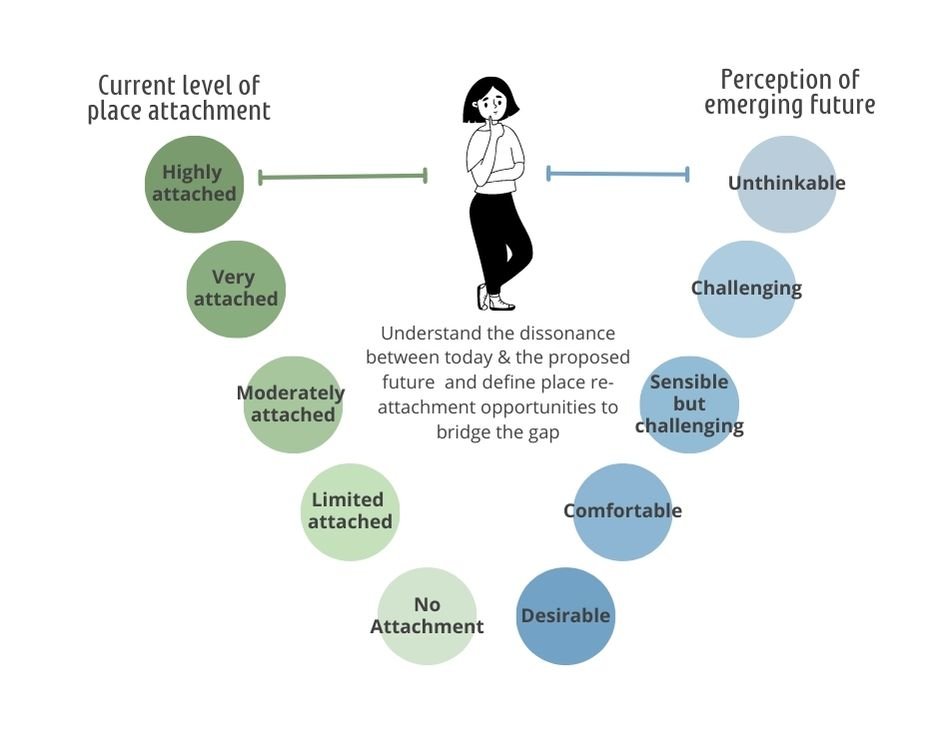
Place (re) attachment measures the current level of place attachment and responses to potential future urban change scenarios.
Why is this important?
Place attachment is critical to the social and emotional wellbeing of communities. It is likely that urban consolidation will result in changes to the urban identity of our neighbourhoods and it is important to understand how a proposed change may impact a community’s attachment.
-
Evaluates social and emotional connection to their community and its look, feel and experience.
-
Establishes perceptions of future urban change scenarios within the LGA and in their own neighbourhood.
Place (Re) Attachment Key Insights
Moderate level of attachment
Overall moderate level of place attachment was the most selected in Cairns, Ballarat and Penrith. Very to highly attached ranged from 50% in Hume to 33% in Penrith. No or limited attachment levels across all LGAs was significant, ranging from 15-25%.

Future urban scenarios were sensible but challenging
Across the LGAs participants generally viewed the future urban change scenarios as ‘sensible but challenging’ for both the LGA and their neighbourhood. Across many of the LGAs the number of participants who viewed the scenarios as ‘comfortable’ or ‘desirable’ often exceeded the number of participants who viewed the scenario as ‘unthinkable’.

Detailed summary of future change scenario perceptions
To explore the community’s views on the potential urban futures in their city, participants were presented with a series of likely urban change scenarios that reflect the types of development that could occur across their city.
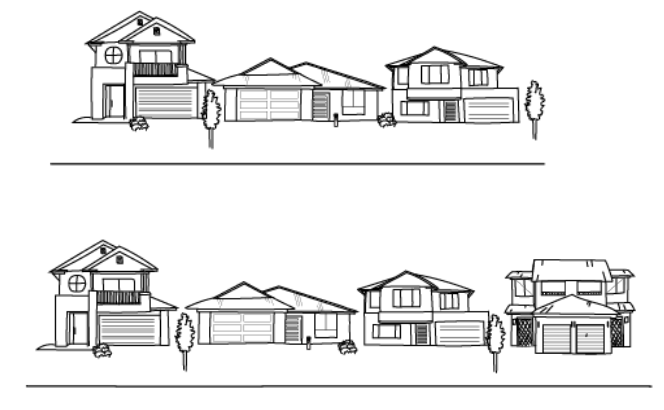
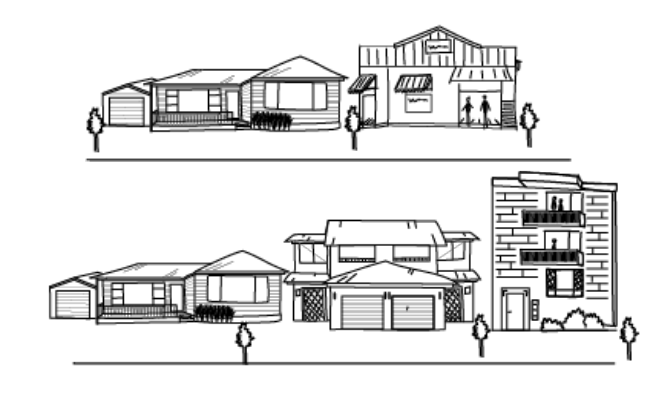
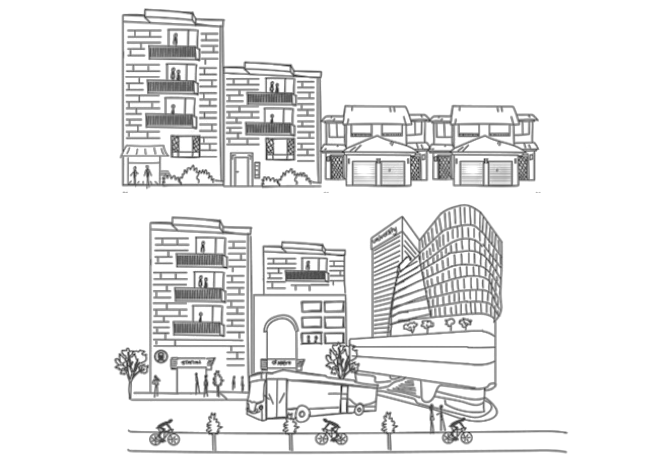
These scenarios were expressed in a series of before and after sketches and brief text to describe the types of urban outcomes this scenario would support. Participants were asked to reflect on their views of this scenario occurring in their LGA and, where relevant, their local neighbourhood.
Scenario 1
Next generation’ greenfield + increased density in established areas

Cairns
Hume

Penrith

Ballarat
-
Participants viewed this scenario as 'sensible but challenging’ in their LGA (43%) and in their local area (41%). 20% of participants viewed this scenario as ‘comfortable’ and ‘desirable’ in their local area, compared to 14%, who found it 'unthinkable’.
-
‘This scenario was overwhelmingly viewed by participants as ‘comfortable’ and ‘desirable’ in both their LGA (43.3%) and in their local area (58.6%).
-
Overall, participants viewed this scenario as ‘sensible but challenging’ in both their LGA (44.7%) and in the their local area (47.5%).
-
Participants viewed this scenario as ‘sensible but challenging’ in their LGA (50.8%) and in their local area (41.4%). 26% of participants viewed this scenario as ‘comfortable’ and ‘desirable’ in their local area when compared to 8% who found this concept ‘unthinkable’.
Scenario 2
Townhouses and low rise apartments in established areas

Cairns
Hume


Penrith
Ballarat
-
‘This scenario was viewed by participants as 'sensible but challenging’ in their LGA (36%) and ‘challenging’ in their local area (36%). Interestingly, ‘comfortable’ and ‘desirable’ accounted for 18% of respondents, almost equal to the percentage of participants who viewed this scenario as ‘unthinkable’ in their local area.
-
This scenario was overwhelmingly viewed by participants as ‘comfortable’ and ‘desirable’ in both their LGA (44%) and in their local area (64%). Interestingly participants expressed a greater desire of support for this outcome in their local area.
-
This scenario was viewed by participants as 'sensible but challenging' in their LGA (40%) and 'challenging' in their local area (37%).
-
Overall this scenario was viewed by participants as ‘comfortable’ and ‘desirable’ (LGA 33% and their local area 36%) and ‘sensible but challenging’ (LGA 39% and local area 34%). Only a small percentage of participants viewed this scenario as ‘unthinkable’ (8% in LGA and 7% in their local area).
Scenario 3
Higher density around major nodes
Cairns
Hume


Penrith

Ballarat
-
Residents viewed this scenario as 'sensible but challenging’ and ‘challenging’ in their LGA (53%) and their local area (52%). This scenario was also viewed positively, with 31% of participants indicating that this scenario was 'comfortable’ or ‘desirable’ in their local area.
-
This scenario was viewed by participants as ‘comfortable’ and ‘desirable’ in the LGA, but ‘sensible but challenging’ in their Local Area (32%). This scenario also received Hume’s highest number of respondents finding the outcome ‘unthinkable’ (15%) or ‘challenging’ (23%) in their local area.
-
Overall this scenario was viewed by participants as 'sensible but challenging' to 'challenging'. It also registered the highest level of ‘unthinkable’ across all scenarios in Penrith (LGA 19% and in their local area 15%).
-
Overall residents viewed this scenario as ‘sensible but challenging’ in both the LGA (33%) and their local area (33%). Interestingly this scenario also had almost equal proportions of the community viewing this scenario as ‘comfortable’ and ‘desirable’ (LGA 31% and local area 31%).
These results were a surprise to most project teams who had assumed their communities were highly attached to their local area and had expected the community to view the urban change scenarios as 'unthinkable'. By this point in the survey, participants had been provided with educational content on the need for urban consolidation and explored its benefits and challenges.
Detailed outcomes can be found in the PDF